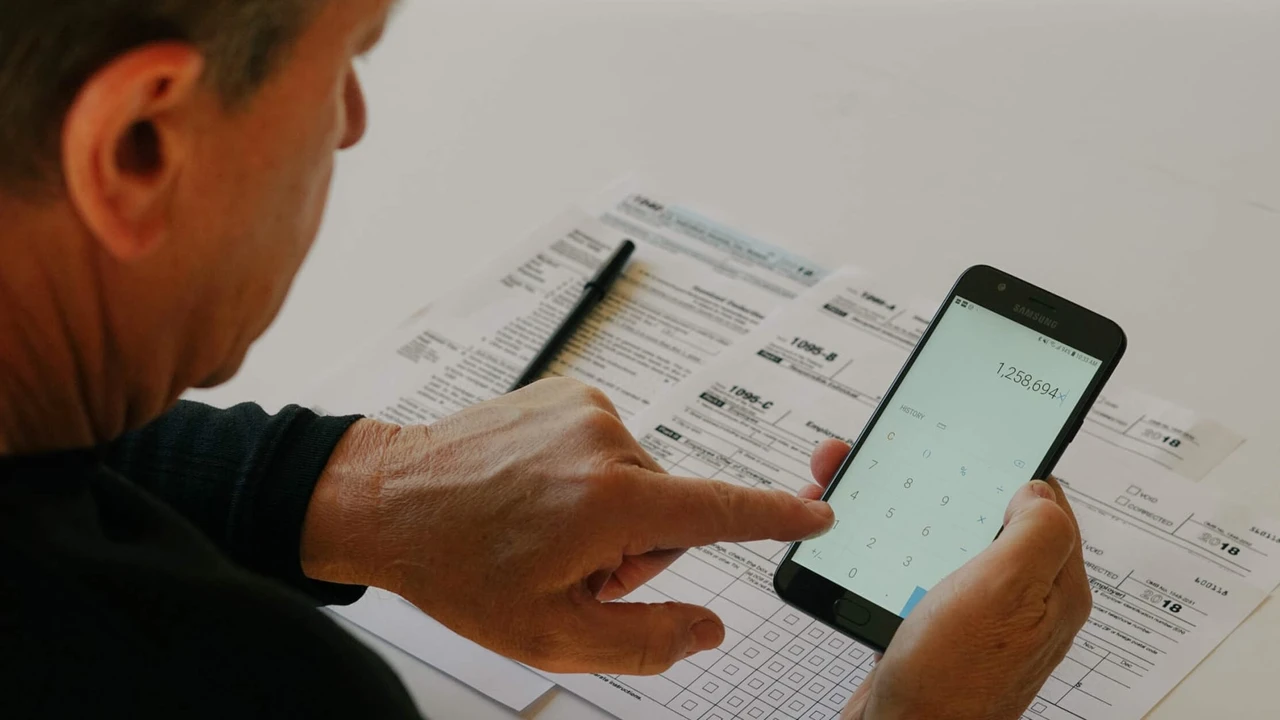
The Impact of Cryptocurrency on Expat Taxes in Asia
Explore the tax implications of cryptocurrency holdings and transactions for US expats in Southeast Asia.

Explore the tax implications of cryptocurrency holdings and transactions for US expats in Southeast Asia.
The Impact of Cryptocurrency on Expat Taxes in Asia
Hey there, fellow US expats in Asia! Let's talk about something that's probably on a lot of your minds, especially if you're dabbling in the digital asset world: cryptocurrency. Whether you're a seasoned HODLer, a day trader, or just someone who bought a little Bitcoin back in the day and forgot about it, understanding how crypto impacts your US expat taxes, particularly while living in Southeast Asia, is absolutely crucial. The IRS isn't messing around when it comes to digital assets, and neither should you. This isn't just about avoiding penalties; it's about smart financial planning and ensuring you're compliant with both US and, potentially, local Asian tax laws.
Understanding US Tax Basics for Expats and Crypto
First things first, let's quickly recap why US expats have a unique tax situation. The US operates on a citizenship-based taxation system. This means that no matter where you live in the world, if you're a US citizen or green card holder, you're generally required to file a US tax return and report your worldwide income. This includes income from traditional sources like salaries, investments, and, yes, cryptocurrency. The IRS considers cryptocurrency as property, not currency, for tax purposes. This distinction is super important because it means every time you sell, exchange, or even use crypto to buy goods or services, it's generally treated as a taxable event, similar to selling stocks or real estate.
For expats, this gets even more complex. While you might be able to exclude some foreign earned income using the Foreign Earned Income Exclusion (FEIE) or claim foreign tax credits for taxes paid to your host country, these typically apply to earned income, not necessarily capital gains from crypto. So, if you're making big gains from your crypto investments while living in, say, Thailand or Vietnam, those gains are very much on the IRS's radar.
Key Taxable Events for Cryptocurrency and Expats
Let's break down the common scenarios where your crypto activities trigger a US tax event:
Selling Cryptocurrency for Fiat Currency
This is the most straightforward. If you sell Bitcoin for US dollars, Thai Baht, or any other fiat currency, you'll realize a capital gain or loss. The gain is the difference between your selling price and your cost basis (what you originally paid for it, plus any fees). If you held the crypto for less than a year, it's a short-term capital gain, taxed at your ordinary income rates. If you held it for more than a year, it's a long-term capital gain, which usually has lower tax rates. For expats, remember that even if you sell it into a foreign bank account, it's still reportable to the IRS.
Exchanging One Cryptocurrency for Another
This is where many people get tripped up. Swapping Bitcoin for Ethereum, or any altcoin for another, is also considered a taxable event. The IRS views this as selling your first crypto for its fair market value at the time of the exchange, and then immediately buying the second crypto. You'll realize a capital gain or loss on the first crypto. This means you need to track the cost basis and fair market value for every single trade, which can quickly become a nightmare if you're an active trader.
Using Cryptocurrency to Purchase Goods or Services
Decided to buy that new laptop with Bitcoin? Or maybe pay for a meal with Ethereum? Yep, that's a taxable event too. The IRS treats this as if you sold your crypto for its fair market value at the time of the purchase, and then used the fiat proceeds to buy the item. Again, you'll realize a capital gain or loss on the crypto used.
Receiving Cryptocurrency as Income or Payment
If you're paid in crypto for services rendered, or if you receive crypto through mining, staking rewards, airdrops, or hard forks, this is generally considered ordinary income at the fair market value of the crypto on the day you received it. This income is subject to ordinary income tax rates. For expats, this income might be eligible for the FEIE if it qualifies as foreign earned income, but you'll need to check the specific rules.
Reporting Requirements for US Expats with Crypto
Beyond just reporting gains and losses on Schedule D (Capital Gains and Losses) and Form 8949 (Sales and Other Dispositions of Capital Assets), there are other crucial reporting requirements for US expats with crypto, especially those living in Asia:
FBAR (FinCEN Form 114) and FATCA (Form 8938)
These are the big ones for expats. If your crypto is held on a foreign exchange or in a foreign wallet that is considered a financial account, it might need to be reported on your FBAR and/or FATCA Form 8938. The rules here are complex and evolving. Generally, if you have a financial interest in or signature authority over foreign financial accounts with an aggregate value exceeding certain thresholds (e.g., $10,000 for FBAR), you must report them. While the IRS hasn't explicitly stated that all crypto exchanges are FBAR-reportable, many tax professionals advise reporting them if they function like traditional financial institutions. Some foreign crypto exchanges might also be considered foreign financial institutions for FATCA purposes, requiring you to report your holdings if they exceed the thresholds.
Form 1040 and Schedule 1
The IRS added a question about cryptocurrency to the top of Form 1040. You must answer truthfully whether you received, sold, sent, exchanged, or otherwise acquired any financial interest in any virtual currency during the tax year. This is a clear signal that the IRS is serious about crypto compliance.
Southeast Asian Tax Laws and Dual Taxation
Now, let's layer in the Southeast Asian context. While the US taxes you on worldwide income, your host country in Asia might also have its own rules for taxing cryptocurrency. This can lead to dual taxation, where both the US and your host country want a piece of your crypto gains.
The tax landscape for crypto varies significantly across Southeast Asia:
Thailand
Thailand has been quite active in regulating crypto. Capital gains from crypto are generally subject to a 15% withholding tax. There's also a 7% VAT on crypto transactions. If you're a tax resident in Thailand, you'll need to report your worldwide income, including crypto gains, to the Thai Revenue Department. The US-Thailand tax treaty might offer some relief from dual taxation, but it's crucial to understand its specifics regarding capital gains.
Singapore
Singapore generally takes a more favorable approach. It typically doesn't tax capital gains, which can be a huge advantage for crypto investors. However, if you're trading crypto as a business or receiving it as income, it would be taxable. Singapore also has a Goods and Services Tax (GST) that can apply to certain crypto transactions. For US expats, while Singapore might not tax your capital gains, the US still will.
Vietnam
Vietnam's stance on crypto is still evolving. While it's not recognized as a legal tender, the government has been exploring regulations. Currently, there isn't a clear framework for taxing crypto gains, but this could change. If you're a tax resident, your worldwide income is generally taxable, so any crypto gains could eventually fall under this umbrella.
Philippines
The Philippines has recognized virtual currencies and exchanges. Capital gains from crypto are generally subject to capital gains tax. Income derived from crypto activities (like mining or trading as a business) would be subject to income tax. Again, for US expats, you're looking at potential dual reporting and taxation.
Malaysia
Malaysia generally does not impose capital gains tax on crypto. However, if crypto trading is considered a business activity, the profits would be subject to income tax. The Malaysian Inland Revenue Board (IRB) has issued guidelines on the tax treatment of digital assets. As with Singapore, while Malaysia might not tax your gains, the US still will.
The key takeaway here is that you need to be aware of both US and local Asian tax laws. You might be able to use the US foreign tax credit to offset some of your US tax liability if you've paid taxes on your crypto gains in your host country. However, this is a complex area, and professional advice is highly recommended.
Tools and Platforms for Crypto Tax Compliance
Given the complexity of tracking crypto transactions, especially for active traders, using specialized crypto tax software is almost a necessity. These tools integrate with various exchanges and wallets, calculate your cost basis, and generate the necessary tax forms. Here are a few popular options, along with their features, use cases, and pricing:
1. CoinTracker
Overview: CoinTracker is one of the most popular and user-friendly crypto tax software solutions. It supports a vast number of exchanges, wallets, and DeFi protocols, making it suitable for most crypto users, from casual investors to active traders and DeFi participants.
Key Features:
- Extensive Integrations: Connects to over 300 exchanges (e.g., Binance, Coinbase, Kraken, KuCoin, FTX, Bybit – many popular in Asia), 10,000+ blockchains, and DeFi platforms.
- Automated Transaction Sync: Automatically imports your transaction history, calculates cost basis, and identifies taxable events.
- Tax Form Generation: Generates IRS Form 8949, Schedule D, and other necessary tax reports.
- Portfolio Tracking: Offers real-time portfolio tracking and performance analysis.
- Audit Support: Provides detailed transaction history and reports that can be helpful in case of an audit.
- FIFO, LIFO, HIFO Cost Basis Methods: Allows you to choose your preferred cost basis accounting method.
Use Cases for Expats: Ideal for expats who trade on multiple exchanges, participate in DeFi, or have a diverse crypto portfolio. Its comprehensive integration helps ensure all transactions, regardless of where they occurred in Asia or globally, are captured for US tax reporting.
Pricing: CoinTracker offers a free plan for up to 25 transactions. Paid plans typically range from around $59 to $299+ per tax year, depending on the number of transactions and features required. They often have discounts during tax season.
2. Koinly
Overview: Koinly is another highly-rated crypto tax calculator known for its ease of use and strong support for DeFi and NFTs. It's particularly good for users with complex transaction histories across various platforms.
Key Features:
- Broad Exchange and Wallet Support: Integrates with over 350 exchanges (including many Asian-centric ones), 100+ blockchains, and numerous DeFi protocols.
- DeFi and NFT Tracking: Excellent at handling complex DeFi transactions, staking rewards, and NFT sales/purchases.
- Tax Report Generation: Produces IRS Form 8949, Schedule D, and other country-specific tax reports (useful if you also need to report to your Asian host country).
- Error Reconciliation: Helps identify and fix discrepancies in imported data.
- Portfolio Analytics: Provides insights into your crypto portfolio performance.
Use Cases for Expats: Great for expats who are heavily involved in DeFi, yield farming, or have significant NFT activity. Its ability to generate country-specific reports can be a bonus if your host country in Asia also taxes crypto and requires specific reporting.
Pricing: Koinly has a free plan for basic portfolio tracking and up to 10,000 transactions (without tax reports). Paid plans start from around $49 to $179+ per tax year, based on transaction volume and features.
3. TaxBit
Overview: TaxBit is a professional-grade crypto tax and accounting software. It's often used by larger investors, businesses, and those who need more robust reporting and audit trails. It also partners with major crypto platforms to offer tax services directly.
Key Features:
- Enterprise-Grade Solutions: Offers solutions for individuals, businesses, and even government agencies.
- Comprehensive Integrations: Connects to a wide range of exchanges, wallets, and DeFi protocols.
- Advanced Tax Optimization: Provides tools for tax loss harvesting and other optimization strategies.
- Audit-Ready Reports: Generates detailed, audit-ready reports for the IRS.
- Dedicated Support: Often provides more personalized support, which can be valuable for complex expat tax situations.
Use Cases for Expats: Best for expats with very high transaction volumes, complex business-related crypto activities, or those who want the most robust and professional-grade solution for peace of mind. If you're running a crypto-related business from Asia, TaxBit might be a good fit.
Pricing: TaxBit's pricing can be higher than other consumer-focused tools, often starting around $50 for basic plans and going up to several hundred dollars for more advanced features and transaction volumes. They also have custom enterprise solutions.
4. CryptoTaxCalculator
Overview: CryptoTaxCalculator is a strong contender known for its ability to handle complex DeFi and NFT transactions, as well as its user-friendly interface. It aims to simplify the often-confusing world of crypto taxes.
Key Features:
- DeFi and NFT Focus: Excellent at categorizing and calculating taxes for a wide array of DeFi activities (lending, borrowing, liquidity providing) and NFT transactions.
- Global Coverage: Supports tax reporting for over 20 countries, including the US, which can be helpful for expats.
- Intuitive Interface: Designed to be easy to navigate, even for those new to crypto tax software.
- Transaction Review: Allows users to review and categorize transactions manually if needed.
- Tax Loss Harvesting: Helps identify opportunities for tax loss harvesting.
Use Cases for Expats: Particularly useful for expats who are deeply involved in the DeFi ecosystem or have a significant portion of their portfolio in NFTs. Its global coverage can also be beneficial if you need to understand tax implications in your Asian host country.
Pricing: CryptoTaxCalculator offers a free trial. Paid plans typically range from $49 to $199+ per tax year, depending on the number of transactions and the level of DeFi/NFT support required.
5. ZenLedger
Overview: ZenLedger is another comprehensive crypto tax software that aims to simplify the entire process, from importing transactions to generating final tax forms. It's known for its customer support and educational resources.
Key Features:
- Wide Range of Integrations: Connects to over 400 exchanges, 50+ blockchains, and various DeFi protocols.
- Tax Loss Harvesting Tool: Helps users identify and execute tax loss harvesting strategies.
- Audit Support: Provides detailed reports and support in case of an IRS audit.
- IRS Form Generation: Creates all necessary IRS forms, including Form 8949, Schedule D, and income reports.
- Customer Support: Offers strong customer support, which can be invaluable when dealing with complex expat tax situations.
Use Cases for Expats: A solid all-around choice for expats with varied crypto activities. Its audit support and customer service can provide extra reassurance for those navigating the complexities of international crypto taxation.
Pricing: ZenLedger offers a free plan for up to 25 transactions. Paid plans range from around $49 to $399+ per tax year, based on transaction volume and features.
Comparison of Crypto Tax Software for Expats
When choosing a crypto tax software as an expat in Asia, consider these factors:
- Integration with Asian Exchanges: Ensure the software integrates with any local or regional exchanges you use (e.g., Binance Asia, specific local exchanges in Thailand, Vietnam, etc.). Most major global platforms like Binance and KuCoin are generally supported.
- DeFi and NFT Support: If you're active in these areas, prioritize software with robust capabilities here. Koinly and CryptoTaxCalculator often excel.
- Cost Basis Methods: Confirm it supports FIFO (First-In, First-Out), LIFO (Last-In, First-Out), or HIFO (Highest-In, First-Out) and allows you to choose.
- Reporting for Multiple Jurisdictions: While your primary concern is US taxes, if your host country in Asia also taxes crypto, software that can generate reports for both might save you time.
- Customer Support: Given the complexity, good customer support is a huge plus.
- Pricing vs. Transaction Volume: Match the plan to your actual transaction volume to avoid overpaying or running out of capacity.
Recommendation: For most US expats with a moderate to active crypto portfolio, CoinTracker or Koinly are excellent starting points due to their broad integrations, user-friendliness, and comprehensive reporting. If you have a very complex DeFi or NFT portfolio, CryptoTaxCalculator might be a better fit. For high-net-worth individuals or those with business-related crypto, TaxBit offers more robust, professional-grade solutions.
Practical Tips for Expats Managing Crypto Taxes
Beyond using software, here are some practical tips to keep your crypto tax situation in order:
Keep Meticulous Records
This cannot be stressed enough. For every crypto transaction, you should ideally record:
- The date and time of the transaction.
- The type of transaction (buy, sell, exchange, gift, income, etc.).
- The fair market value of the crypto in USD at the time of the transaction.
- The number of units of crypto involved.
- The cost basis of the crypto.
- The exchange or wallet used.
- Any associated fees.
While tax software helps automate this, having your own backup records (e.g., CSV exports from exchanges) is always a good idea.
Understand Your Cost Basis
Your cost basis is what you paid for your crypto. This is crucial for calculating gains and losses. If you don't know your cost basis, the IRS might assume it's zero, leading to a much higher tax bill. If you've moved crypto between wallets or exchanges, ensure you track its original cost basis.
Be Aware of Wash Sale Rules (or Lack Thereof for Crypto)
Currently, the IRS does not apply wash sale rules to cryptocurrency. This means you can sell crypto at a loss to realize a capital loss for tax purposes and then immediately buy it back. This can be a powerful tax-loss harvesting strategy, but always consult with a tax professional before implementing it.
Consider Foreign Tax Credits
If you pay taxes on your crypto gains in your Asian host country, you might be able to claim a foreign tax credit on your US tax return (Form 1116) to reduce your US tax liability. This helps prevent dual taxation. However, the rules for foreign tax credits can be complex, especially with capital gains, so professional guidance is essential.
Consult with a US Expat Tax Specialist
Seriously, this is probably the most important piece of advice. Crypto taxes are complicated enough on their own. Add in the complexities of US expat taxation, FBAR, FATCA, and varying Asian tax laws, and it becomes a minefield. A tax professional specializing in US expat taxes and familiar with crypto can help you:
- Properly categorize your transactions.
- Optimize your tax strategy (e.g., tax loss harvesting).
- Ensure compliance with all US and potentially local reporting requirements.
- Navigate FBAR and FATCA reporting for foreign crypto accounts.
- Advise on foreign tax credits.
Stay Updated on Regulations
The crypto regulatory landscape is constantly changing, both in the US and across Asia. What's true today might not be true tomorrow. Follow reputable tax news sources, IRS guidance, and updates from your host country's tax authorities. Your tax professional should also keep you informed.
The Future of Crypto Taxation for Expats
As cryptocurrency becomes more mainstream, governments worldwide are increasing their focus on regulation and taxation. For US expats, this means:
- Increased Scrutiny: The IRS is investing more resources into identifying non-compliant crypto users. Data sharing agreements between countries could also make it easier for the IRS to track foreign crypto holdings.
- Evolving Definitions: The definitions of what constitutes a 'financial account' for FBAR/FATCA purposes might expand to explicitly include more types of crypto holdings.
- New Tax Laws: Both the US and Asian countries might introduce new or refined tax laws specifically targeting digital assets.
- Central Bank Digital Currencies (CBDCs): The emergence of CBDCs could also impact how digital assets are taxed and reported in the future.
So, if you're a US expat in Southeast Asia and you're involved with crypto, don't bury your head in the sand. Proactive planning, meticulous record-keeping, and professional guidance are your best friends. It might seem like a lot of work, but staying compliant will save you a ton of headaches and potential penalties down the road. Happy (and compliant) trading!
:max_bytes(150000):strip_icc()/277019-baked-pork-chops-with-cream-of-mushroom-soup-DDMFS-beauty-4x3-BG-7505-5762b731cf30447d9cbbbbbf387beafa.jpg)