The Role of a CPA in Small Business Tax Debt Resolution
Discover how a Certified Public Accountant (CPA) can assist small businesses in resolving tax debt.
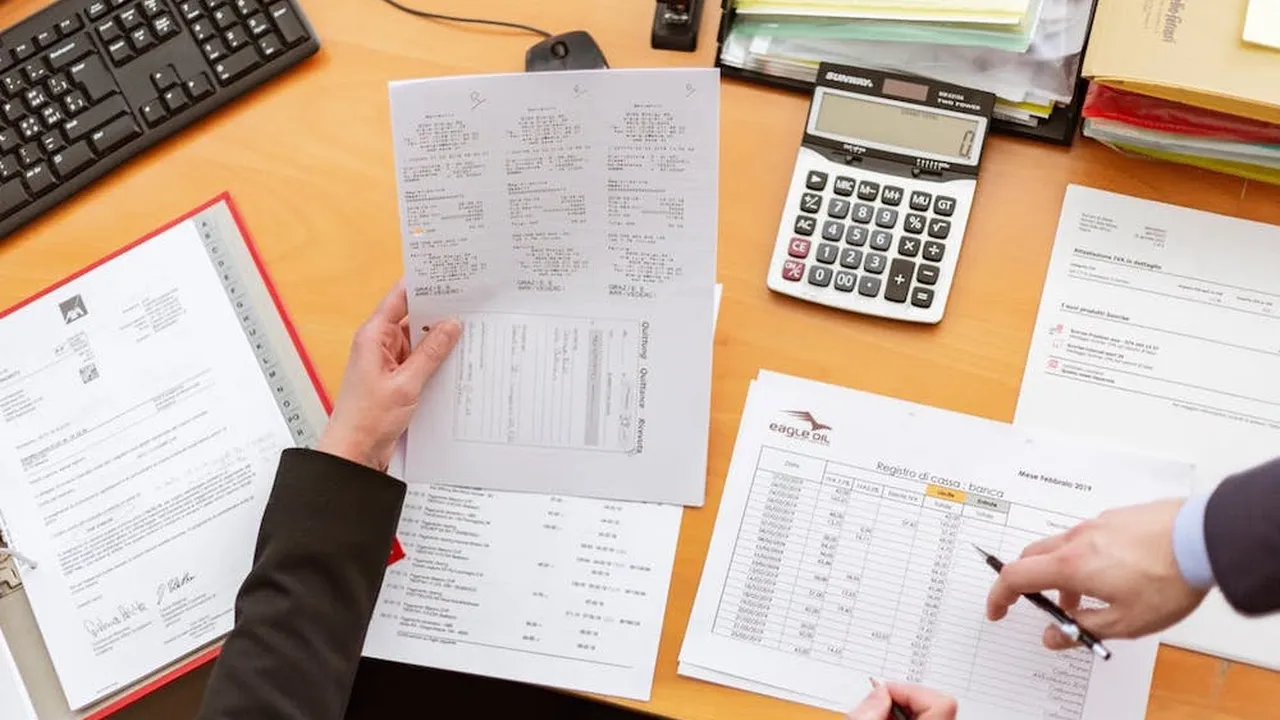
Discover how a Certified Public Accountant (CPA) can assist small businesses in resolving tax debt.
The Role of a CPA in Small Business Tax Debt Resolution
Hey there, small business owner! Are you staring down a mountain of tax debt, feeling overwhelmed and unsure where to turn? You're not alone. Many small businesses, for a variety of reasons – from unexpected downturns to simple accounting errors – find themselves in a tough spot with the IRS or state tax authorities. When that happens, one of the most valuable allies you can have in your corner is a Certified Public Accountant (CPA). But what exactly can a CPA do for you when it comes to tax debt resolution? Let's break it down.
Understanding Your Tax Debt Situation: CPA Expertise in Financial Analysis
The first step to solving any problem is understanding it. Tax debt can be complex, involving various types of taxes (income, payroll, sales), penalties, and interest. A skilled CPA will dive deep into your financial records to get a clear picture of your situation. They'll analyze your books, review past tax filings, and identify the root causes of your debt. This isn't just about numbers; it's about understanding the narrative of your business's financial health. They can help you:
- Identify the exact amount owed: Sometimes, the IRS's initial assessment isn't entirely accurate. A CPA can verify the figures and challenge any discrepancies.
- Determine the type of tax debt: Is it payroll tax? Income tax? Sales tax? Each type has different resolution strategies.
- Uncover potential errors: Mistakes happen. A CPA can find errors in your previous filings that might have contributed to the debt, potentially reducing what you owe.
- Assess your current financial viability: They'll look at your cash flow, assets, and liabilities to determine your ability to pay, which is crucial for negotiating with tax authorities.
Navigating IRS and State Tax Agencies: CPA as Your Advocate
Dealing with the IRS or state tax agencies can be intimidating. Their processes are complex, their jargon is dense, and the stakes are high. This is where a CPA truly shines as your advocate. They speak the language of tax law and can communicate effectively on your behalf, saving you stress and potential missteps. Here's how they help:
- Direct Communication: CPAs can communicate directly with the IRS or state tax departments, handling all correspondence and phone calls. This means you don't have to spend hours on hold or decipher confusing notices.
- Understanding Your Rights: They know your taxpayer rights and can ensure you're treated fairly throughout the resolution process.
- Presenting Your Case: A CPA can professionally present your financial situation and proposed resolution to tax authorities, increasing the likelihood of a favorable outcome.
- Responding to Audits: If your tax debt stems from an audit, a CPA can represent you, providing necessary documentation and explanations to the auditor.
Exploring Tax Debt Resolution Options: CPA Guidance for Small Businesses
There isn't a one-size-fits-all solution for tax debt. A CPA will assess your specific circumstances and recommend the most suitable resolution strategy. They're familiar with all the options available to small businesses and can guide you through the pros and cons of each. Some common strategies include:
Offer in Compromise OIC for Small Business Tax Debt
An Offer in Compromise (OIC) allows certain taxpayers to resolve their tax liability with the IRS for a lower amount than what they originally owe. This is typically an option when you can't pay your full tax debt or doing so would cause significant financial hardship. A CPA can help you determine if you qualify, prepare the extensive application, and negotiate the terms with the IRS. They'll ensure your offer is reasonable and has the best chance of acceptance.
Installment Agreements for Business Tax Payments
If you can't pay your tax debt immediately but can make monthly payments, an Installment Agreement might be the answer. This allows you to pay off your debt over a period, usually up to 72 months. A CPA can help you set up a payment plan that's affordable for your business, ensuring you meet the IRS's requirements and avoid default.
Currently Not Collectible CNC Status for Financial Hardship
For businesses facing severe financial hardship, the IRS might place your account in Currently Not Collectible (CNC) status. This means the IRS agrees that you can't pay your tax debt right now and will temporarily stop collection efforts. A CPA can help you demonstrate your financial inability to pay, providing the necessary documentation to qualify for CNC status. While in CNC, interest and penalties may still accrue, but it provides crucial breathing room.
Penalty Abatement for Small Business Tax Penalties
The IRS often assesses penalties for late filing, late payment, or underpayment. In some cases, these penalties can be abated (removed) if you have a reasonable cause. A CPA can help you prepare a strong case for penalty abatement, citing legitimate reasons for your non-compliance, such as illness, natural disaster, or incorrect advice from a tax professional.
Trust Fund Recovery Penalty TFRP Resolution for Payroll Taxes
If your small business has unpaid payroll taxes, the IRS can assess the Trust Fund Recovery Penalty (TFRP) against individuals deemed responsible for collecting and paying over these taxes. This can be a very serious personal liability. A CPA can help identify who might be considered a 'responsible person,' challenge the IRS's assessment, and negotiate a resolution for the TFRP.
Preventing Future Tax Debt: CPA for Proactive Financial Planning
Resolving existing tax debt is crucial, but preventing it from happening again is equally important. A good CPA won't just fix the past; they'll help you build a stronger financial future for your business. They can assist with:
- Accurate Bookkeeping and Record Keeping: Setting up robust accounting systems to ensure all income and expenses are properly recorded.
- Tax Planning: Proactive strategies to minimize your tax liability legally, such as optimizing deductions, credits, and business structures.
- Estimated Tax Payments: Helping you calculate and make timely estimated tax payments to avoid underpayment penalties.
- Payroll Tax Compliance: Ensuring your business is compliant with all payroll tax obligations to prevent future Trust Fund Recovery Penalties.
- Financial Forecasting: Providing insights into your business's financial health to anticipate potential tax issues before they arise.
Choosing the Right CPA for Tax Debt Resolution: Key Considerations
Not all CPAs specialize in tax debt resolution. When you're looking for someone to help your small business, consider these factors:
- Experience in Tax Controversy: Look for a CPA with a proven track record in dealing with the IRS and state tax agencies on debt resolution cases.
- Small Business Focus: Ensure they understand the unique challenges and opportunities faced by small businesses.
- Communication Style: You want someone who can explain complex tax matters in a way you understand and who communicates regularly.
- Fees: Discuss their fee structure upfront. Some charge hourly, others a flat fee for specific services.
Recommended Tools and Software for Small Business Tax Management
While a CPA is invaluable, certain tools can also empower your small business in managing its finances and preventing tax debt. Here are a few recommendations, keeping in mind that the best choice depends on your specific business needs and budget:
Accounting Software for Small Businesses
Good accounting software is the backbone of sound financial management. It helps you track income, expenses, manage invoices, and generate financial reports, all of which are crucial for accurate tax filing and avoiding debt.
- QuickBooks Online: This is arguably the most popular choice for small businesses. It offers various plans (Simple Start, Essentials, Plus, Advanced) ranging from approximately $30-$200 per month, often with introductory discounts. It's user-friendly, integrates with many other business apps, and provides robust reporting. It's excellent for general ledger, invoicing, expense tracking, and even payroll integration.
- Xero: A strong competitor to QuickBooks, Xero is known for its clean interface and strong bank reconciliation features. Plans typically range from $15-$70 per month. It's particularly popular with tech-savvy small business owners and those who appreciate a modern design.
- FreshBooks: While it started as invoicing software, FreshBooks has evolved into a full accounting solution, especially popular with freelancers and service-based businesses. Pricing is usually between $15-$55 per month. Its strength lies in time tracking, invoicing, and project management, making it ideal for those who bill by the hour or project.
- Wave Accounting: For very small businesses or startups on a tight budget, Wave offers free accounting, invoicing, and receipt scanning. They make money through payment processing and payroll services. It's a fantastic option if your needs are basic and you're comfortable with a more hands-on approach.
Payroll Software for Small Businesses
Payroll taxes are a common source of small business tax debt. Dedicated payroll software ensures you calculate, withhold, and remit these taxes correctly and on time.
- Gusto: Highly rated for its ease of use and comprehensive features, Gusto handles full-service payroll, benefits administration, and HR. Plans start around $40 per month plus $6 per employee. It automates tax filings and payments, significantly reducing the risk of payroll tax errors.
- ADP Run: A long-standing leader in payroll services, ADP offers various solutions for businesses of all sizes. Their small business plans are comprehensive, though pricing can be less transparent and often requires a quote. They provide robust compliance features and dedicated support.
- Paychex Flex: Similar to ADP, Paychex offers scalable payroll and HR solutions. Pricing is also typically quote-based. They are known for their strong customer support and a wide range of services beyond just payroll.
Tax Preparation Software for Small Businesses (for initial filing, not debt resolution)
While a CPA is crucial for debt resolution, these tools can help with accurate initial filing, reducing the chances of future debt.
- TurboTax Business: For businesses that prefer to do their own taxes, TurboTax Business offers guided preparation for various business structures (sole proprietorship, partnership, S-corp, C-corp). The desktop software typically costs around $190, while online versions vary. It's user-friendly but requires a good understanding of your business's financials.
- H&R Block Business: Another popular option, H&R Block offers similar features to TurboTax for business tax preparation. Pricing is comparable. They also offer in-person assistance if you get stuck.
Remember, while these tools are powerful, they are most effective when used correctly. A CPA can help you set up and utilize these systems efficiently, ensuring your financial data is accurate and compliant, thereby significantly reducing your risk of future tax debt. Think of these tools as the engine, and your CPA as the skilled mechanic and navigator, ensuring your business journey is smooth and tax-debt-free.
In conclusion, a CPA is far more than just a tax preparer. For small businesses grappling with tax debt, they are an indispensable partner, offering expertise in financial analysis, advocacy with tax authorities, strategic resolution planning, and proactive measures to secure your financial future. Don't try to tackle the IRS alone; bring in a professional who can truly make a difference.
:max_bytes(150000):strip_icc()/277019-baked-pork-chops-with-cream-of-mushroom-soup-DDMFS-beauty-4x3-BG-7505-5762b731cf30447d9cbbbbbf387beafa.jpg)