The Ultimate Checklist for Year Round Tax Planning
A comprehensive checklist for year-round tax planning to ensure you are always prepared and minimize tax liabilities.
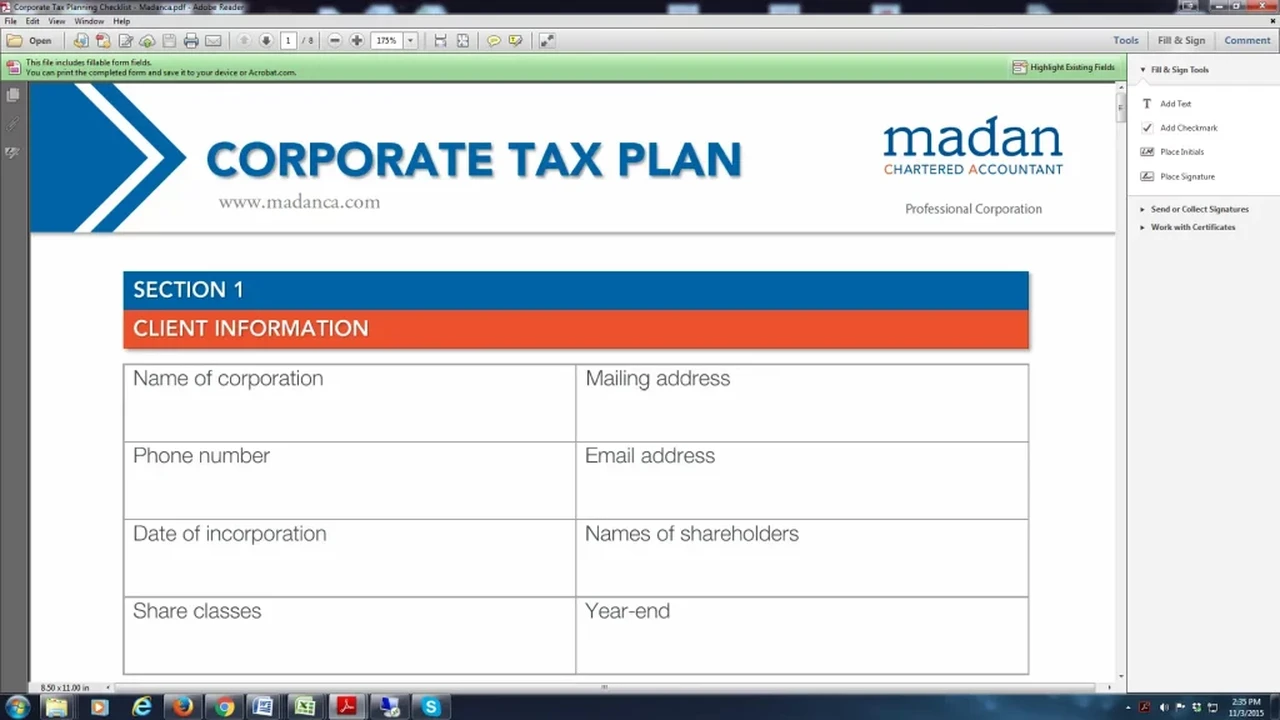
A comprehensive checklist for year-round tax planning to ensure you are always prepared and minimize tax liabilities.
The Ultimate Checklist for Year Round Tax Planning
Hey there, savvy taxpayer! Ever feel like tax season sneaks up on you every single year, leaving you scrambling, stressed, and maybe even facing an unexpected bill? You're not alone. Many people treat taxes as a once-a-year event, a mad dash to gather documents and file before the deadline. But what if I told you there's a better way? A way to minimize your tax liabilities, avoid penalties, and even boost your financial health throughout the year? That's right, we're talking about year-round tax planning. It's not just for the super-rich or business owners; it's for everyone who wants to take control of their financial future.
This isn't just about filling out forms; it's about making smart financial decisions all year long that positively impact your tax situation. Think of it as a continuous process, like tending to a garden – regular care yields the best results. By breaking down tax planning into manageable, monthly, or quarterly tasks, you can avoid that last-minute panic and potentially save a significant amount of money. Plus, it gives you a clearer picture of your financial standing, helping you make better decisions about spending, saving, and investing.
So, let's dive into the ultimate checklist for year-round tax planning. We'll cover everything from income and deductions to investments and retirement, making sure you're prepared for whatever tax season throws your way. Get ready to transform your tax approach from reactive to proactive!
January Tax Planning Kickoff Your Financial New Year
Welcome to the start of a new year, and with it, a fresh opportunity to get your taxes in order. January isn't just for New Year's resolutions; it's prime time for setting up your tax strategy for the next 12 months.
Reviewing Last Year's Tax Return and Identifying Key Changes
First things first, pull out your tax return from last year. This document is a goldmine of information. What deductions did you take? What credits did you qualify for? Did you owe money or get a refund? Understanding your previous year's situation helps you anticipate what might happen this year. Think about any major life changes that occurred last year or are anticipated this year: a new job, marriage, divorce, birth of a child, buying a home, starting a business, or even a significant change in income. All these factors will impact your tax situation.
Adjusting W-4 Withholding for Optimal Tax Payments
This is a big one! Your W-4 form determines how much federal income tax your employer withholds from each paycheck. If you consistently get a huge refund, you're essentially giving the government an interest-free loan. If you owe a lot, you might face penalties. Use the IRS Tax Withholding Estimator tool (it's free and super helpful!) to figure out the right amount to withhold. You can find it on the IRS website. Adjusting your W-4 can put more money in your pocket throughout the year, which you can then save, invest, or use to pay down debt.
Setting Up Estimated Tax Payments for Self Employed and Gig Workers
If you're self-employed, a freelancer, or have significant income not subject to withholding, you're responsible for paying estimated taxes quarterly. The IRS expects you to pay taxes as you earn income. Missing these payments or underpaying can lead to penalties. January is the time to estimate your income and expenses for the year and set up your payment schedule. The IRS Form 1040-ES worksheet can guide you through this. Remember, the first payment for the current tax year is typically due in April.
February and March Organizing Your Financial Life for Tax Season
As the first quarter progresses, it's all about getting organized and making sure your financial house is in order. This proactive approach will save you headaches later.
Gathering and Organizing Tax Documents W-2s 1099s and More
By now, you should be receiving most of your essential tax documents: W-2s from employers, 1099s for various types of income (interest, dividends, independent contractor work, etc.), and 1098s for mortgage interest or student loan interest. Don't just toss them in a pile! Create a dedicated tax folder, either physical or digital, and file these documents as they arrive. This simple habit prevents a frantic search come April.
Tracking Deductible Expenses and Charitable Contributions
Throughout the year, keep a meticulous record of all potential deductions. This includes medical expenses, state and local taxes (SALT), mortgage interest, student loan interest, and charitable contributions. For charitable donations, make sure you have proper documentation, especially for larger gifts. For expenses, consider using a dedicated app or a simple spreadsheet. For example, if you're self-employed, tracking mileage, home office expenses, and business-related purchases is crucial. Apps like Mint or YNAB (You Need A Budget) can help categorize spending, while dedicated mileage trackers like MileIQ can automate vehicle expense logging. For receipt management, consider apps like Expensify or Shoeboxed, which allow you to snap photos of receipts and digitize them instantly. These typically cost around $5-10 per month for individual plans, but the time and potential tax savings are often well worth it.
Reviewing Investment Performance and Tax Loss Harvesting Opportunities
If you have investments, February and March are good times to review their performance. While tax loss harvesting is often done towards the end of the year, understanding your gains and losses early can inform your strategy. If you've sold investments, you'll receive 1099-B forms. Keep these organized. Consider consulting with a financial advisor if your investment portfolio is complex.
April Tax Day and Beyond Setting Up for Success
April is synonymous with Tax Day, but it's also a pivotal month for setting the stage for the rest of your year's tax planning.
Filing Your Tax Return or Requesting an Extension
Hopefully, with your year-round planning, filing your return by the April deadline is a breeze. If you find yourself needing more time, don't panic! You can file for an extension (Form 4868) which typically gives you until October to file. Remember, an extension to file is NOT an extension to pay. If you owe taxes, you still need to pay them by the April deadline to avoid penalties and interest.
Making Your First Estimated Tax Payment for the Current Year
For those paying estimated taxes, the first quarterly payment for the current tax year is due in April. Mark your calendar and make sure this is done. You can pay directly through the IRS website, via mail, or through your tax software.
Reviewing Your Financial Goals and Adjusting Tax Strategy
After filing, take a moment to reflect. Did anything surprise you? Did you get a refund or owe money? Use this information to refine your tax strategy for the coming year. Are your financial goals still aligned with your tax planning? Perhaps you want to save more for retirement, which has significant tax advantages.
May to August Mid Year Tax Check Up and Optimization
The middle of the year is a great time for a check-in. It's far enough from the previous tax season to have some perspective, and early enough in the current year to make meaningful adjustments.
Monitoring Income and Expense Changes Throughout the Year
Life happens! Your income might increase or decrease, or your spending habits might change. Regularly review your income and expenses to ensure your W-4 withholding or estimated tax payments are still accurate. If you've had a significant pay raise or started a side hustle, you might need to increase your withholding or estimated payments to avoid underpayment penalties.
Maximizing Retirement Contributions 401k IRA and HSA
This is one of the most powerful tax planning strategies. Contributions to traditional 401(k)s and IRAs are often tax-deductible, reducing your taxable income. Health Savings Accounts (HSAs) offer a triple tax advantage: tax-deductible contributions, tax-free growth, and tax-free withdrawals for qualified medical expenses. If your employer offers a 401(k) match, make sure you're contributing enough to get the full match – it's free money! Review your contribution levels and consider increasing them if your budget allows. For example, if you're contributing to a 401(k), check if you're on track to hit the annual maximum (for 2024, it's $23,000, plus an additional $7,500 catch-up contribution for those 50 and over). For IRAs, the limit is $7,000 ($8,000 for those 50 and over).
Planning for Major Purchases or Sales with Tax Implications
Are you planning to buy or sell a home? A car? A business? These major transactions have significant tax implications. For example, selling a home might involve capital gains taxes, but there are exclusions if it's your primary residence. Buying a home comes with mortgage interest and property tax deductions. Planning these events with tax in mind can save you a lot. Consult with a tax professional before making big moves.
September to December Year End Tax Strategies and Final Touches
As the year winds down, it's time for some strategic moves to optimize your tax situation before the clock runs out.
Performing Year End Tax Loss Harvesting for Investments
If you have investments that have lost value, you can sell them to offset capital gains and even a limited amount of ordinary income ($3,000 per year). This is called tax loss harvesting. It's a smart way to reduce your tax bill. Just be mindful of the wash-sale rule, which prevents you from buying substantially identical securities within 30 days before or after the sale.
Making Final Charitable Contributions and Bunching Deductions
Consider making your final charitable contributions for the year. If you itemize deductions, these can reduce your taxable income. For those who typically take the standard deduction but are close to itemizing, consider 'bunching' your deductions. This means making two years' worth of charitable contributions or other deductible expenses in one year to exceed the standard deduction threshold, then taking the standard deduction in the alternate year. Donor-advised funds (DAFs) are excellent tools for this, allowing you to contribute a lump sum and get the tax deduction now, while distributing the funds to charities over time. Providers like Fidelity Charitable or Schwab Charitable offer DAFs with minimum contributions typically starting around $5,000.
Reviewing Flexible Spending Accounts FSA and Health Savings Accounts HSA
If you have an FSA, remember that it's typically a 'use it or lose it' account. Make sure you spend down your balance on qualified medical expenses before the end of the year (or your plan's grace period). HSAs, on the other hand, roll over year to year, making them a fantastic long-term savings vehicle for healthcare costs. Maximize your HSA contributions if you can.
Checking for Last Minute Tax Credits and Deductions
Don't forget to look for any last-minute credits or deductions you might qualify for. Did you pay for higher education expenses? Did you install energy-efficient home improvements? Did you incur significant medical expenses? A quick review of your spending can uncover overlooked opportunities.
Gathering Final Documents for the Upcoming Tax Season
As December wraps up, start gathering any remaining documents you anticipate needing for the upcoming tax season. This includes bank statements, brokerage statements, and any other financial records. The more organized you are now, the smoother your tax filing process will be in the new year.
Tools and Resources for Seamless Year Round Tax Planning
You don't have to go it alone! There are fantastic tools and resources available to make year-round tax planning easier and more efficient.
Recommended Tax Software for Individuals and Small Businesses
For most individuals and small businesses, tax software is a lifesaver. It guides you through the process, helps identify deductions, and ensures accuracy. Here are a few top picks:
- TurboTax: Widely popular for its user-friendly interface and step-by-step guidance. It's great for individuals and small businesses, offering various versions from free (for simple returns) to premium. Prices range from $0 to $120+ for federal, plus state filing fees.
- H&R Block: Another strong contender, offering similar features to TurboTax with competitive pricing. They also have physical locations if you prefer in-person assistance. Online versions range from $0 to $100+, plus state.
- TaxAct: Often a more budget-friendly option, TaxAct provides robust features for a lower price point. Good for those comfortable navigating tax forms with less hand-holding. Prices typically range from $0 to $90+, plus state.
- FreeTaxUSA: As the name suggests, federal filing is free for most users, with a small fee for state returns. It's a no-frills but effective option for those on a tight budget. Federal is free, state is around $15.
- TaxSlayer: Offers a good balance of features and affordability, with different tiers to suit various tax situations. Prices range from $0 to $60+, plus state.
Financial Planning Apps and Budgeting Tools
These apps help you track your income, expenses, and investments, which are all crucial for tax planning:
- Mint: A free budgeting app that links to your bank accounts and credit cards, categorizing your spending automatically. It provides a great overview of your financial health.
- YNAB (You Need A Budget): A paid app ($14.99/month or $99/year) that focuses on the 'zero-based budgeting' method, giving every dollar a job. Excellent for detailed expense tracking and financial discipline.
- Personal Capital (now Empower Personal Dashboard): Offers free financial tracking, including net worth, investment analysis, and budgeting tools. It's particularly strong for those with investments.
When to Consult a Tax Professional CPA or Enrolled Agent
While year-round planning and software can handle many situations, there are times when professional help is invaluable:
- Complex Tax Situations: If you have significant investments, rental properties, foreign income, a complex small business, or have experienced major life changes (e.g., divorce, inheritance).
- Audit Concerns: If you've received an audit notice or are concerned about potential audit triggers.
- Starting a Business: A professional can help you set up your business structure for optimal tax efficiency.
- International Tax Issues: Especially relevant for US expats or those with foreign assets.
- Peace of Mind: Sometimes, the value of knowing your taxes are handled correctly by an expert is worth the cost.
A Certified Public Accountant (CPA) or an Enrolled Agent (EA) are both qualified to assist with tax matters. CPAs have a broader accounting background, while EAs specialize specifically in taxation and are authorized to represent taxpayers before the IRS. Fees for tax professionals can vary widely based on complexity, but expect to pay anywhere from $200 for a simple return to $1,000+ for complex situations or ongoing planning.
Making Tax Planning a Habit Not a Chore
The key to successful year-round tax planning is consistency. It's about integrating these tasks into your regular financial routine, rather than seeing them as separate, daunting chores. Set reminders on your calendar for quarterly estimated payments, monthly expense reviews, and annual W-4 adjustments. Make it a habit to review your financial statements regularly and keep your tax documents organized as they come in.
By adopting this proactive approach, you'll not only minimize your tax liabilities and avoid penalties, but you'll also gain a deeper understanding of your financial situation. This knowledge empowers you to make smarter decisions about your money, leading to greater financial security and peace of mind. So, ditch the last-minute stress and embrace the power of year-round tax planning – your future self (and your wallet) will thank you!
:max_bytes(150000):strip_icc()/277019-baked-pork-chops-with-cream-of-mushroom-soup-DDMFS-beauty-4x3-BG-7505-5762b731cf30447d9cbbbbbf387beafa.jpg)