The Benefits of Filing Your Taxes Early Each Year
Explore the numerous benefits of filing your taxes early, including avoiding stress and potential penalties.
Explore the numerous benefits of filing your taxes early, including avoiding stress and potential penalties.
The Benefits of Filing Your Taxes Early Each Year
Why Early Tax Filing is a Smart Financial Move
Let's be real, tax season can feel like a looming cloud for many of us. The thought of gathering documents, crunching numbers, and dealing with the IRS can be daunting. But what if I told you there's a way to turn that dread into relief, and even gain some financial advantages? That's right, we're talking about filing your taxes early. It's not just about getting it over with; it's about unlocking a whole host of benefits that can positively impact your financial health and peace of mind. From avoiding last-minute stress to safeguarding against fraud and even getting your refund sooner, the perks of early filing are substantial. Let's dive into why getting your taxes done ahead of schedule is one of the smartest financial moves you can make each year.
Avoid Last Minute Stress and Rushed Decisions with Early Tax Preparation
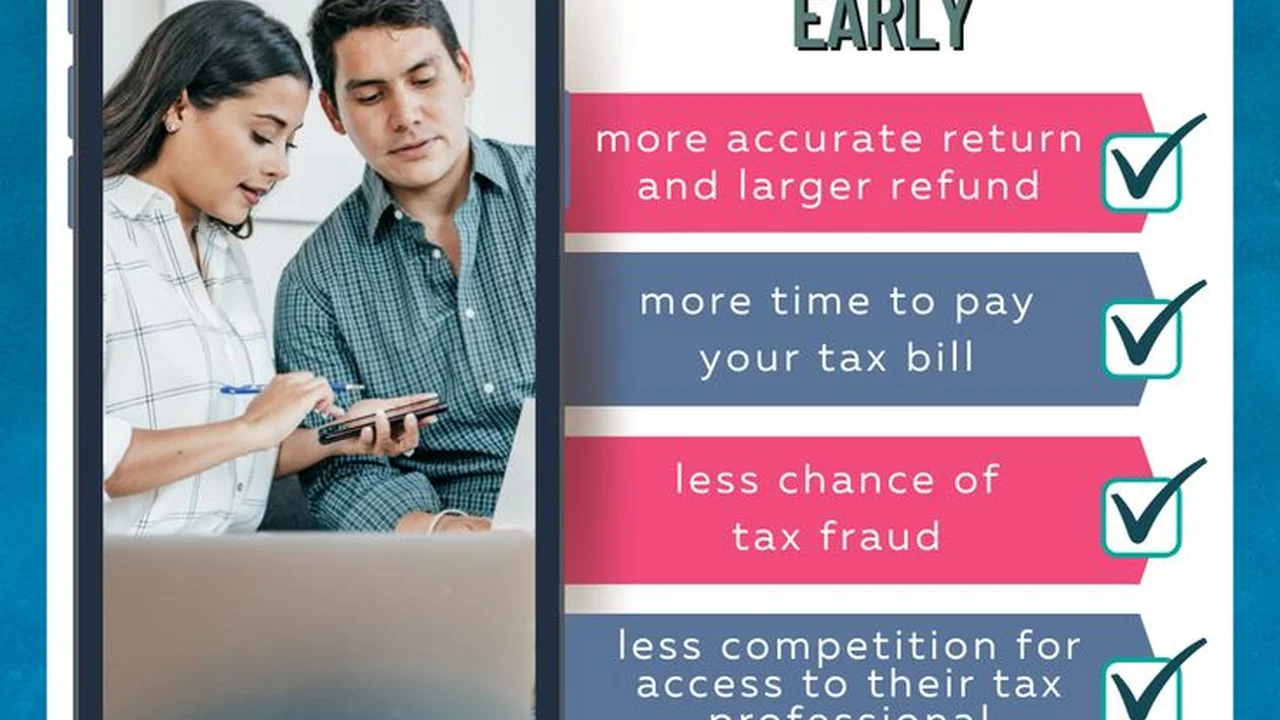
One of the most immediate and tangible benefits of filing early is the significant reduction in stress. Imagine this: April 15th rolls around, and instead of frantically searching for that elusive W-2 or trying to decipher a complex tax form, you're already done. You've had weeks, maybe even months, to calmly gather all your necessary documents, review your financial situation, and ensure everything is accurate. This calm approach minimizes the chances of making costly errors due to rushing. When you're under pressure, it's easy to overlook deductions, miscalculate income, or simply make data entry mistakes that could lead to an audit or an incorrect tax bill. Early filing gives you the luxury of time – time to double-check, time to consult with a professional if needed, and time to simply breathe. This peace of mind alone is often worth the effort of getting started early.
Receive Your Tax Refund Faster and Boost Your Cash Flow
For many taxpayers, a tax refund is a welcome financial boost. If you're expecting money back from the IRS, filing early is your express ticket to getting that cash in your bank account sooner. The IRS typically processes early filings first, meaning you'll be at the front of the line. This can be particularly beneficial if you have immediate financial needs, like paying down high-interest debt, building up your emergency fund, or making a significant purchase. Instead of waiting until late April or even May for your refund, you could have it in February or March. This improved cash flow can provide a much-needed cushion or allow you to make strategic financial decisions without delay. Think about it: that refund could be earning interest in a savings account, or helping you avoid taking out a loan for an unexpected expense.
Protect Yourself from Tax Identity Theft and Fraud
In today's digital age, identity theft is a constant threat, and tax season is a prime target for fraudsters. One of the most common forms of tax fraud involves criminals filing a fake tax return using your Social Security number to claim a fraudulent refund. If they file before you do, your legitimate return will be rejected, leading to a lengthy and frustrating process to prove your identity and claim your rightful refund. By filing early, you significantly reduce the window of opportunity for these criminals. If your return is already on file with the IRS, any subsequent attempt to file using your SSN will be flagged and rejected, protecting you from this particular headache. It's a proactive defense mechanism that costs you nothing but a little bit of early effort.
More Time to Pay if You Owe and Explore Payment Options
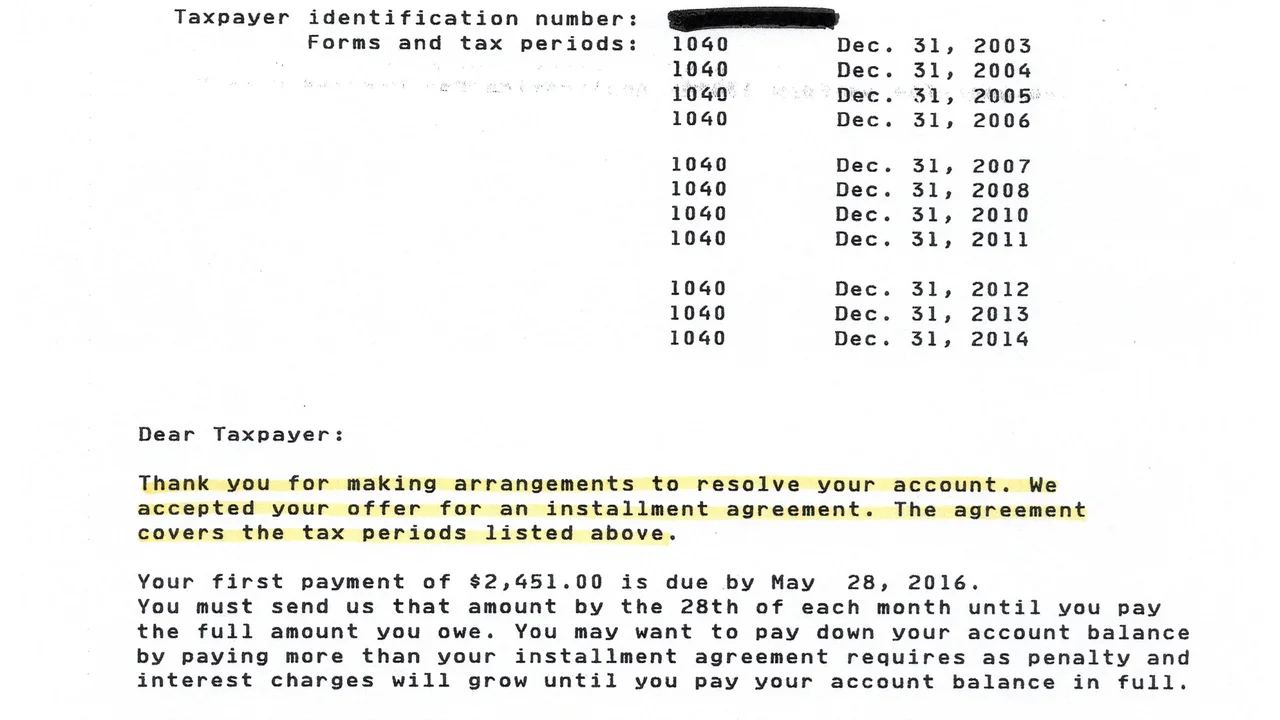
Not everyone gets a refund; sometimes, you owe the government money. If you find yourself in this situation, filing early still offers a significant advantage: more time to plan and pay. Even if you file your return in February and discover you owe taxes, you don't have to pay until the April 15th deadline. This gives you several extra weeks or even months to save up the necessary funds, adjust your budget, or explore various payment options. You could set up an installment agreement with the IRS, explore an Offer in Compromise, or simply ensure you have the cash ready without scrambling at the last minute. This flexibility can prevent late payment penalties and interest, saving you money in the long run and reducing financial strain.
Easier Access to Professional Tax Assistance and Advice
If your tax situation is complex, or you simply prefer the peace of mind that comes with professional help, filing early gives you better access to tax preparers, CPAs, and tax attorneys. As the April 15th deadline approaches, these professionals become incredibly busy, often booking up weeks in advance. Their availability dwindles, and their fees might even increase due to demand. By reaching out in January or February, you'll have a wider selection of professionals, more flexible appointment times, and the ability to receive more personalized attention. This can lead to identifying more deductions, avoiding errors, and potentially saving you more money than if you waited until the last minute.
Identify and Correct Errors with Ample Time
Even with the best intentions, mistakes can happen. Perhaps you forgot a deduction, miscalculated a figure, or received a corrected W-2 or 1099 form after you initially thought you had all your documents. When you file early, you have a much larger window to identify and correct these errors without penalty. If you discover a mistake, you can file an amended return (Form 1040-X) with less pressure. If you wait until the last minute, discovering an error could mean rushing to amend, or worse, facing potential penalties from the IRS. Early filing acts as a buffer, giving you the necessary time to ensure everything is perfectly accurate.
Access to Other Financial Aid and Loan Applications
For students, small business owners, or individuals applying for certain loans or financial aid, your tax return is often a crucial document. Many financial aid applications, like the Free Application for Federal Student Aid (FAFSA), require information from your most recent tax return. Similarly, mortgage lenders, small business loan providers, and other financial institutions often request tax documents to assess your income and financial stability. By filing early, you'll have these essential documents ready and available, allowing you to complete applications promptly and potentially secure funding or aid sooner. This can be a significant advantage in competitive application processes.
Review Your Financial Health and Plan for the Future
Tax preparation isn't just about reporting past income; it's an excellent opportunity to review your overall financial health. When you gather all your financial documents – income statements, investment records, deduction receipts – you get a comprehensive snapshot of your financial year. Filing early gives you the time to truly analyze this information. You can identify areas where you spent too much, where you could save more, or where you missed out on potential tax savings. This annual financial review can inform your budgeting for the upcoming year, help you adjust your withholding, and even guide your investment strategies. It's a powerful tool for proactive financial planning, and doing it early means you can implement changes sooner rather than later.
Recommended Tax Software and Services for Early Filers
To make early filing even easier, there are numerous excellent tax software options and professional services available. Choosing the right one depends on your personal tax situation, comfort level with technology, and budget. Here are a few top recommendations:
TurboTax: User-Friendly Tax Software for Most Filers
Product: TurboTax (various editions: Free, Deluxe, Premier, Self-Employed)
Use Case: Ideal for individuals and families with straightforward to moderately complex tax situations, including investments, rental properties, and self-employment income. Its guided interview process makes it very user-friendly.
Comparison: TurboTax is often praised for its intuitive interface and comprehensive guidance. It walks you through each step, asking simple questions and explaining tax concepts in plain language. It's generally more expensive than some competitors but offers a premium user experience. It integrates well with financial institutions for easy data import.
Pricing: Free for simple returns (Form 1040 only). Deluxe typically starts around $60 for federal, plus state fees. Premier and Self-Employed editions can range from $90 to $120+ for federal, plus state fees. Prices often fluctuate with promotions.
H&R Block: Strong Support and Hybrid Options
Product: H&R Block Tax Software (various editions: Free, Deluxe, Premium, Self-Employed) and In-Person/Online Assist Services
Use Case: Great for those who want a balance between DIY software and professional support. H&R Block offers robust software and the option to get help from a tax professional online or in one of their many physical offices.
Comparison: H&R Block's software is very competitive with TurboTax in terms of ease of use and features. Its key differentiator is the strong hybrid model, allowing users to seamlessly transition from DIY to professional assistance if they get stuck. They also have a large network of physical offices, which can be reassuring for some. Their pricing is often slightly more competitive than TurboTax for similar features.
Pricing: Free for simple returns. Deluxe typically starts around $50 for federal, plus state fees. Premium and Self-Employed editions can range from $80 to $110+ for federal, plus state fees. Professional assistance adds to the cost.
TaxAct: Budget-Friendly with Solid Features
Product: TaxAct (various editions: Free, Deluxe, Premier, Self-Employed)
Use Case: A good choice for budget-conscious filers who still want comprehensive features and support for various tax situations, including investments and self-employment.
Comparison: TaxAct is known for offering a strong feature set at a lower price point compared to TurboTax and H&R Block. While its interface might not be as polished or intuitive as the top-tier options, it's still very capable and guides users effectively. It's a great value proposition for those who are comfortable navigating tax software and want to save some money.
Pricing: Free for simple returns. Deluxe typically starts around $30 for federal, plus state fees. Premier and Self-Employed editions can range from $50 to $80+ for federal, plus state fees.
FreeTaxUSA: Truly Free Federal Filing
Product: FreeTaxUSA
Use Case: Excellent for anyone looking to file their federal taxes for free, regardless of complexity. State filing is available for a small fee.
Comparison: FreeTaxUSA stands out because it offers free federal filing for almost all tax situations, including those with itemized deductions, investments, and self-employment income. This is a significant advantage over other 'free' versions that often limit features to very simple returns. The interface is functional and straightforward, though perhaps not as visually appealing as TurboTax. It's a fantastic option for maximizing savings on tax preparation fees.
Pricing: Free for federal returns. State returns are typically $14.99 each.
Professional Tax Preparers and CPAs: For Complex Situations
Service: Local CPA firms, Enrolled Agents, or Tax Attorneys
Use Case: Best for individuals with highly complex tax situations, such as significant investment portfolios, multiple businesses, international income, trust funds, or those facing an audit or tax debt issues. Also ideal for those who prefer to delegate the entire process.
Comparison: While software is great for many, a human professional offers personalized advice, strategic planning, and representation before the IRS. They can identify obscure deductions, navigate complex tax laws, and provide peace of mind that your return is optimized and compliant. This service comes at a higher cost but can be invaluable for specific situations.
Pricing: Varies widely based on location, complexity, and the professional's experience. Simple returns might start at $200-$300, while complex returns or those involving business taxes can easily run into thousands of dollars.
Making Early Filing a Habit for Financial Wellness
Ultimately, filing your taxes early isn't just about avoiding a deadline; it's about embracing a proactive approach to your financial life. It's a habit that can reduce stress, protect you from fraud, get you your money faster, and provide valuable insights into your financial health. So, as soon as those W-2s and 1099s start rolling in, don't procrastinate. Gather your documents, choose your preferred filing method, and get those taxes done. Your future self (and your bank account) will thank you for it.
:max_bytes(150000):strip_icc()/277019-baked-pork-chops-with-cream-of-mushroom-soup-DDMFS-beauty-4x3-BG-7505-5762b731cf30447d9cbbbbbf387beafa.jpg)